
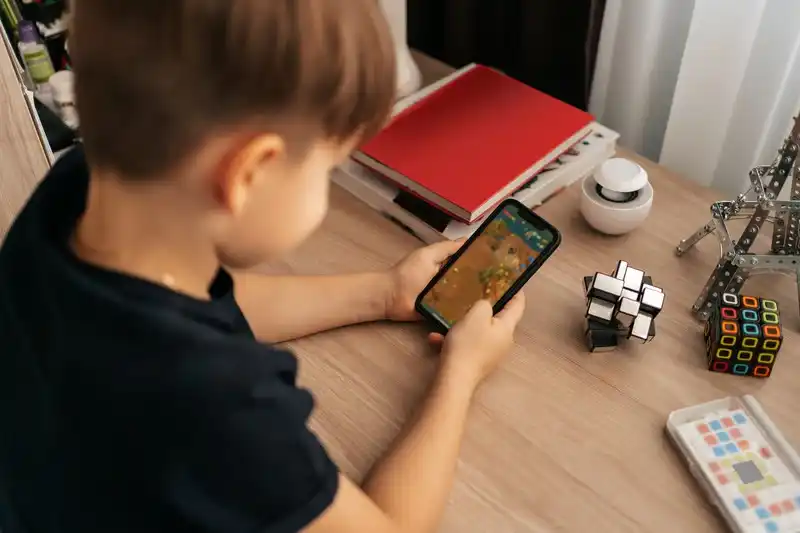

Clicker games have become one of the most accessible types of digital entertainment. Their simple mechanics, relaxing gameplay, and easy learning process attract millions of players around the world. Unlike complex games that require advanced skills, clicker games usually focus on repetitive actions, gradual progress, and rewarding achievements.
A player may simply tap, click, or interact with the screen to collect resources, unlock upgrades, and improve progress over time. This simplicity makes many people wonder whether these games are suitable for everyone, from young children to older adults.
The topic of clicker games age suitability is more complex than simply saying yes or no. While these games can provide entertainment, learning opportunities, and relaxation, factors such as screen time, game design, in-app purchases, and individual playing habits influence whether they are appropriate for different age groups.
Understanding How Clicker Games Work
Clicker games, sometimes called incremental games or idle games, are designed around continuous progress. Players usually perform simple actions to earn points, resources, or rewards. As progress increases, players unlock new features and upgrades.
The appeal comes from seeing gradual improvement. Even small actions can create a feeling of achievement because the player watches their virtual progress grow over time.
This simple structure is one reason why clicker games age suitability is often considered broader than many other gaming categories. They generally require less reading, less complex strategy, and fewer advanced motor skills compared with action or competitive games.
Why Clicker Games Are Popular Among Different Age Groups
One major reason clicker games attract diverse audiences is their accessibility. A beginner can usually understand the basic mechanics within minutes.
Children may enjoy the colorful designs and reward systems. Teenagers may appreciate the progression and customization elements. Adults often enjoy clicker games as short relaxation activities during breaks.
Older adults may also find these games appealing because they provide simple interaction without requiring complicated controls.
The wide appeal explains why discussions about clicker games age suitability continue as gaming becomes a common activity across generations.
Are Clicker Games Suitable for Children?
For children, clicker games can offer both positive and negative experiences depending on the game design and how they are used.
Many child-friendly clicker games encourage basic problem-solving, counting skills, planning, and understanding cause-and-effect relationships. A child learns that actions can create results, which can support early cognitive development.
However, parents should consider whether the game includes advertisements, online features, or purchase options. Some games are designed with reward systems that encourage frequent checking or longer play sessions.
When choosing games for children, clicker games age suitability depends not only on the genre but also on the specific content and controls available.
Educational Benefits of Clicker Games
Although clicker games are often viewed as simple entertainment, some designs include learning elements. They can introduce concepts such as resource management, planning, and progression.
For example, a game where players manage a virtual farm or business may teach basic organization and decision-making. Players learn that investing resources can create future benefits.
Educational value depends on the design. A thoughtfully created clicker game can encourage curiosity, while a poorly designed one may focus only on endless repetition.
This balance is important when evaluating clicker games age suitability for younger players.
Clicker Games for Teenagers and Young Adults
Teenagers often enjoy clicker games because they provide a sense of achievement without requiring long gaming sessions. Many games allow players to make progress even when they are not actively playing.
This idle progression system creates a relaxing experience compared with competitive games that may involve pressure or frustration.
However, teenagers should still maintain healthy gaming habits. Excessive gaming can affect sleep, productivity, and daily responsibilities.
For this age group, clicker games age suitability depends largely on balance and personal gaming behavior.
Why Adults Enjoy Clicker Games
Adults often choose clicker games because they provide a quick mental escape. After a busy day, a simple progression-based game can feel calming and satisfying.
Unlike highly competitive games, clicker games often allow players to move at their own pace. There is usually less pressure to compete against others.
Many adults use these games during short breaks because they can be played casually.
The relaxing nature of these games is one reason discussions around clicker games age suitability include older audiences as well as younger players.
Are Clicker Games Suitable for Older Adults?
Gaming among older adults has increased significantly as digital technology becomes more accessible. Simple games can provide entertainment, mental stimulation, and social connection.
Clicker games may appeal to older players because they often have easy controls and straightforward goals. They do not usually require fast reactions or complex button combinations.
Some researchers suggest that certain digital games may support cognitive engagement by encouraging attention and problem-solving.
Still, accessibility features such as readable text, simple interfaces, and clear instructions influence whether a game is comfortable for older users.
The Importance of Screen Time Management
One of the biggest factors affecting clicker games age suitability is not the game itself but the amount of time spent playing.
Even simple games can become distracting if they replace important activities such as studying, exercising, sleeping, or social interaction.
Healthy gaming habits involve setting reasonable limits and maintaining balance.
For children, parents may need to monitor gaming time. For adults, personal awareness is important to ensure gaming remains a positive activity.
How Reward Systems Influence Players
Clicker games are built around reward systems. Players receive points, upgrades, achievements, or new features to encourage continued engagement.
These systems are part of what makes games enjoyable. However, they can also encourage players to keep returning frequently.
Understanding game mechanics helps players make better choices. A healthy relationship with gaming means enjoying rewards without feeling controlled by them.
This is another important consideration when evaluating clicker games age suitability.
In-App Purchases and Safety Concerns
Some clicker games include optional purchases that allow players to progress faster. These features are common in mobile gaming but require attention, especially for younger users.
Parents should check whether payment options are available and whether settings can limit purchases.
A game’s safety depends on transparency, privacy features, and responsible design.
When discussing clicker games age suitability, financial features should be considered alongside gameplay and content.
The Role of Parents in Choosing Games
Parents play an important role in helping children develop healthy gaming habits. Instead of focusing only on restrictions, parents can explore games together and understand what children enjoy.
Discussing game content, time limits, and online safety creates better awareness.
Choosing age-appropriate games requires looking beyond the title and considering actual gameplay features.
This approach makes evaluating clicker games age suitability more accurate and practical.
How Game Developers Improve Age Appropriateness
Many developers are now focusing on safer and more inclusive gaming experiences. Features such as parental controls, privacy settings, and clearer age ratings help users make informed decisions.
Responsible game design considers different audiences and creates experiences that are enjoyable without encouraging unhealthy habits.
As gaming continues to expand, developers have a greater responsibility to consider different age groups.
Expert Views on Gaming and Healthy Engagement
Experts often emphasize that gaming itself is not automatically positive or negative. The impact depends on the type of game, the player, and the surrounding habits.
Moderate gaming can provide entertainment and relaxation. Problems usually appear when gaming becomes excessive or replaces important activities.
This perspective is important when understanding clicker games age suitability because the same game can have different effects depending on how it is used.
The Future of Clicker Games Across Generations
The gaming industry continues to create experiences designed for broader audiences. Simple, accessible games are likely to remain popular because they welcome players with different skill levels.
Future clicker games may include more educational features, personalized experiences, and improved accessibility options.
As gaming becomes a larger part of everyday life, understanding clicker games age suitability will help families and individuals make better entertainment choices.
Final Thoughts on Clicker Games and Age Suitability
So, are clicker games suitable for all age groups? The answer depends on the specific game, the player, and the way it is used.
Clicker games can provide relaxation, entertainment, and even learning opportunities for many different audiences. Their simple design makes them accessible to children, adults, and older players.
However, healthy gaming habits, safe settings, and responsible play are essential.
The discussion around clicker games age suitability shows that age alone does not determine whether a game is appropriate. Understanding the content, mechanics, and personal habits creates the best gaming experience.
Frequently Asked Questions
What age group can play clicker games?
Clicker games can be enjoyed by many age groups because they usually have simple controls and easy gameplay. However, parents should review game content, advertisements, and purchase options before allowing younger children to play.
Are clicker games educational for children?
Some clicker games can support learning by introducing planning, counting, and decision-making skills. Their educational value depends on the design, goals, and how children interact with the game.
Can clicker games become addictive?
Clicker games use reward systems that encourage continued play. While many people enjoy them casually, excessive gaming may become a problem if it interferes with daily responsibilities, sleep, or personal activities.
Are clicker games safe for older adults?
Many clicker games are suitable for older adults because they use simple controls and relaxed gameplay. They may provide entertainment and mental engagement when played in moderation.
How can parents check clicker games age suitability?
Parents can review ratings, gameplay features, privacy settings, and purchase options before choosing a game. Playing together and discussing healthy gaming habits can also help create a safer experience.